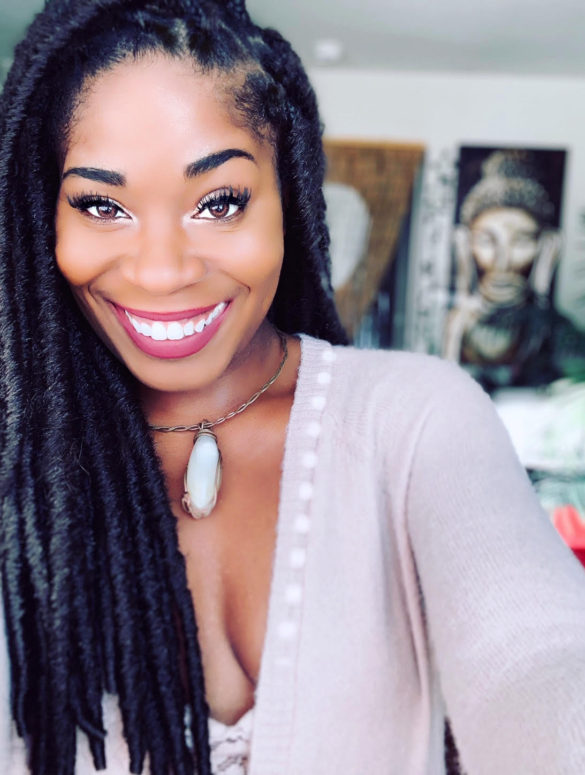

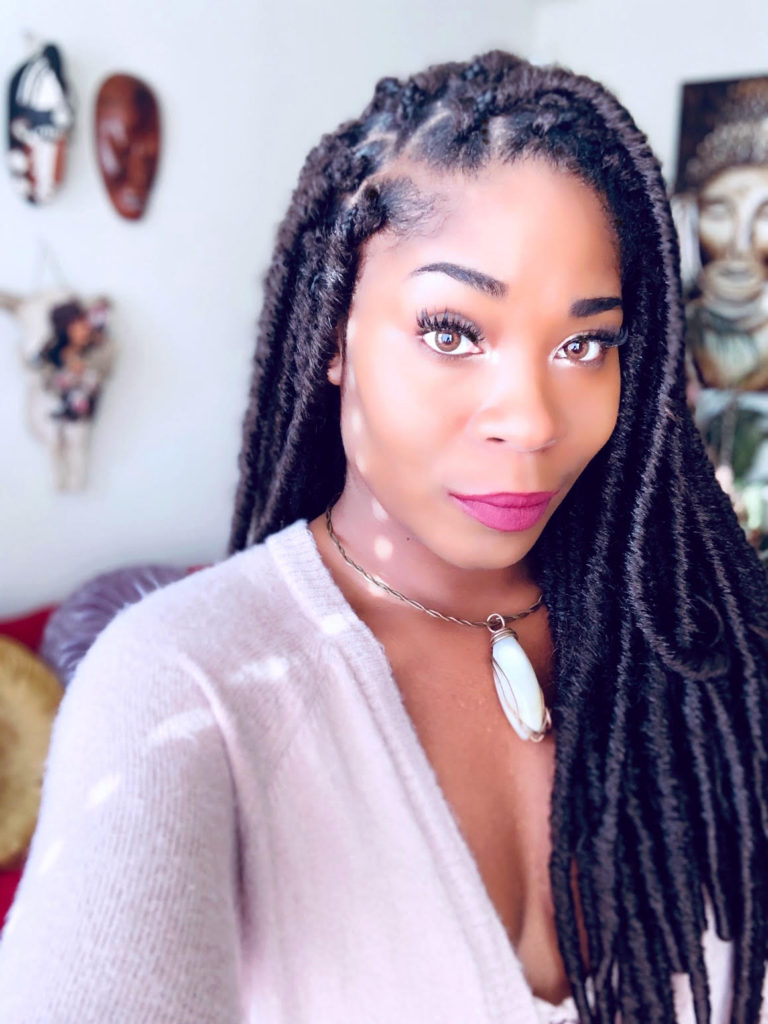
Kea Bryant, otherwise known as Kea B., is a Baltimore civil engineer by day and playlist whisperer by night. After more than a decade, the music-maven has worked in the engineering field but totes the mind of a designer. While she initially sought to pursue graphic design, Bryant has found creative refuge in mastering the art of playlist composition. Still somewhat of designer, but instead she crafts sonic moods with indie r&b as her chief discipline. Bryant now disrupts not one, but two male-dominated fields. It should be noted, women in certain music industry roles still struggle to acquire the same access, pay rates, and influence as their male counterparts. More women are entering the deejaying space, and Bryant joins the likes of DJ Osho and Reese, both of whom call Atlanta home. In Baltimore, however, this sound curator has more than enough talent at her disposal. B-More is rife with relatively untapped artists as its eclectic, underground music scene gains traction.
We *virtually* sat down with the selekta (Jamaican patois and synonymy for DJ), covering everything from building community to the nuances of today’s indie rhythm and blues culture.
Find Kea on Instagram @curatedbykea and my Spotify is Keab4, and also on Apple Music as Curated by Kea.
Quaint Revolt: So, engineering? I did not expect that [laughter]!
Kea Bryant: [laughs] I’ve been in this field now for over 15 years now. My passion really was graphic design, but [Mergenthaler Vocational High School] didn’t really have that there. The engineering drafting class started off with maybe five or six girls in the class. By the start of tenth grade, I was the only girl standing in a room full of boys.
QR: I love that!
KB: It’s really amazing when you get to the root of it, and I’ve come so far. But what I really want to do, has nothing to do with my day job.
QR: So how did you end up factoring that creative outlet into this newfound life?
KB: It’s one of those things where you don’t really know what your niche is, or you come into your own later in life. Nobody in my family is musically inclined, but my father always had an ear for good music. I took after my father in having a good ear, so when social media came around, I downloaded SoundCloud and pretty much any kind of music app I could find. I was always on the search for good music; to find undiscovered talent. Radio, for me, doesn’t tap into the real talent of a lot of these undiscovered artists. I always root for the underdog!
QR: What are your thoughts essentially about the way the indie scene is operating now? Especially within major sites of cultural production?
KB: In a way, we’re getting back to the roots. You think about underground music, especially in New York and Atlanta, there are a lot of hidden gems. Spaces where you can find intimate performances with artists you haven’t heard before. I think what speaks to that is SoFar Sounds. I went to my first SoFar concert a year and a half ago. I was personally invited by the artist Clara Kent, an indie R&B musician. We were following each other after I found her music, posted it on my page, and tagged her. So, she invited me to my first SoFar Sound. It’s literally about taking three artists no one has ever heard of, putting them in this random setting, and stripping down a lot of the bells and whistles. At this point, you’re just focusing on an artist and their talent. By the end of the session, you have three artists with new members of their fanbase, and more exposure through the use of social media.
QR: How can we, as consumers, provide an outlet that helps artists connect to an audience that’s more than likely going to be interested in their work and aid in building a platform for the indie arts as a whole?
KB: That’s a very good question! I think it’s a collective effort for sure. Especially linking up with like-minded people who share the same passion. It comes down to a platform that can provide that service catered to indie artists.
QR: Quaint Revolt tries to package all of that into a series of experiences where we come together and we’re swapping, engaging and bringing that discourse to not only the magazine and the website, but eventually making it into a real-life experience. So right now, the website is our only way, which is why I’m excited to bring this particular article and feel to the website with the playlist. I think this is more in alignment with our overall vision which is to amplify emerging artists and make an experience out of it.
KB: I feel like they go hand in hand. If you think about playlist curation, it’s been around, but more recently has had a label put to it. But before you can even have an experience, you have to hear the music. So, you have a playlist being curated for whichever genre and now you can listen to it whenever. Now you’re getting familiar with a certain sound/artist. By doing that, the artist now has a fan base. That connection-building is how you create an experience. It definitely takes a team and conversations like this need to be had, because when the right people get together, that’s when the magic happens.
QR: Absolutely! And I think it kinda speaks to, you know, big industry change-makers not doing the legwork because these young, talented artists are out here. And we as consumers have to do our due diligence in being active in how we listen to music in totality. Speaking of the indie R&B scene, who do we need to be listening to?
KB: I think it’s a plethora of amazing artists! And some have kinda ventured into the mainstream, but they still hold my attention. Artists like: Emotional Orange, Blood Orange, there’s an artist called V – he has 3 E.Ps and recently released a new song called “Heartbeat” – and Josh Waters. Josh Waters is in Memphis and has that old school R&B sound. What I would do is get on Live, and I would host a playlist-like session, or artist spotlight. I would play songs that I’m in love with at the moment. Then I would quiz them, like “who is this artist?” or “what’s the name of this song?” From that, I’d gather feedback and expose people to new artists. In a way, it acts like becomes a radio station. Not only am I exposing them to new music, but they’ll introduce me to some as well.
QR: I want to know a little more about your process when you’re curating a playlist. What do you start with? Are you starting with research or do you know what the mood is and what artist to start with?
KB: It depends on the mood and the sound of what the playlist is about. If it’s more of an uptempo as opposed to melancholy. I curate based on the mood. Now, if the playlist is centered around a particular artist, I lean more toward research. But when it comes to just music, I’m more into the mood like a party playlist versus a chill day, or something ambient; all instrumental with no words at all. Once I know the mood, I can gauge which artists to use.