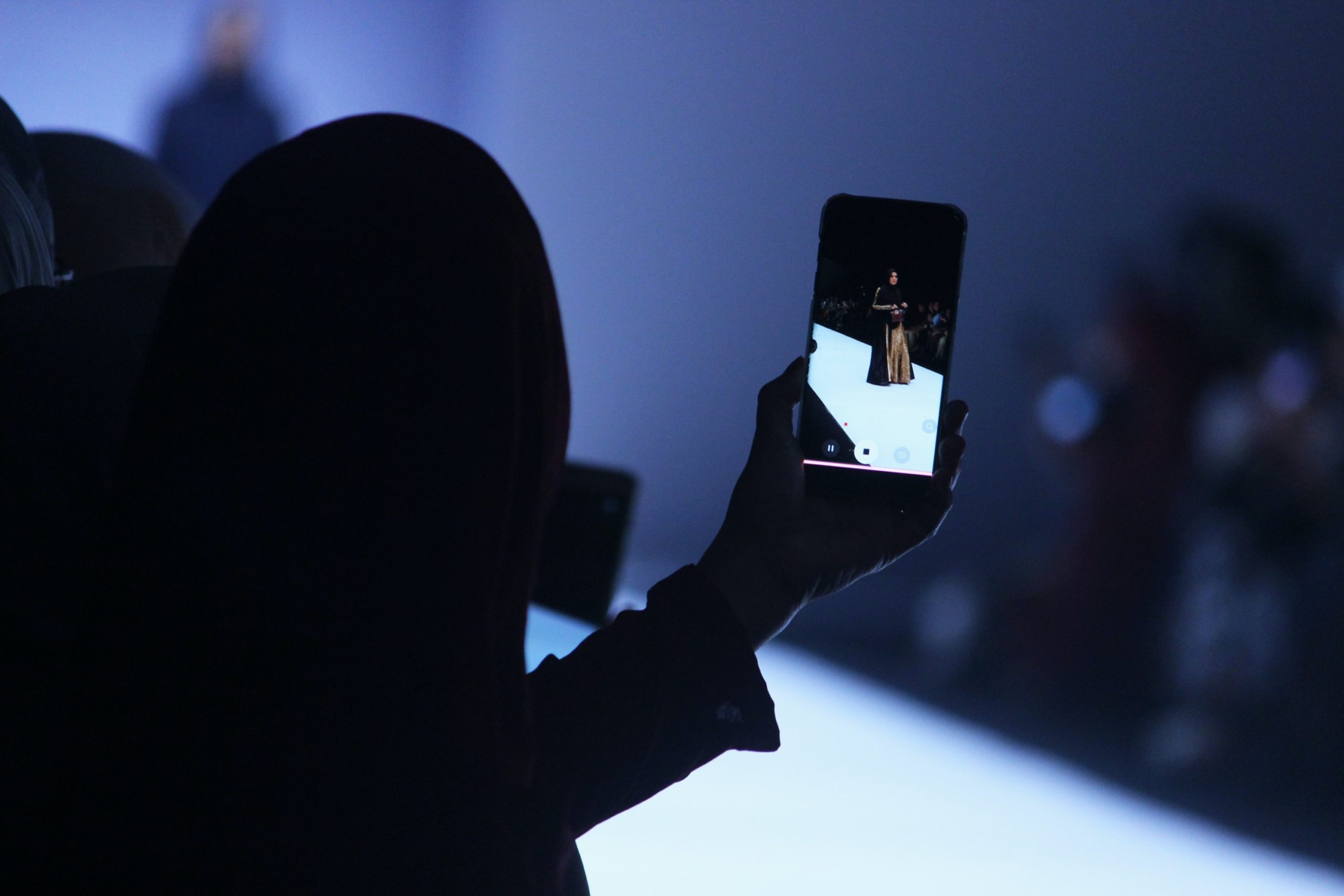

The cancellation of events made a huge buzz since the beginning of the pandemic, from the Met Gala to red carpet events such as the BET awards and global Fashion Weeks. The fashion industry had to readjust in order to stay connected with the public, and social media as a tool became the most effective way to meet the needs of consumers.
Since the announcement by The Fédération de la Haute Couture et de la Mode (FHCM) of the return of physical events for Paris Fashion Week SS21 (from 28 September to 6 October), the industry is now beginning to breathe creativity again. To set the mood for the upcoming season, Paris Fashion Week kick-started its digital fashion week running from 6-13 July. The trend moving forward appears to incorporate both physical events with digital showcases.
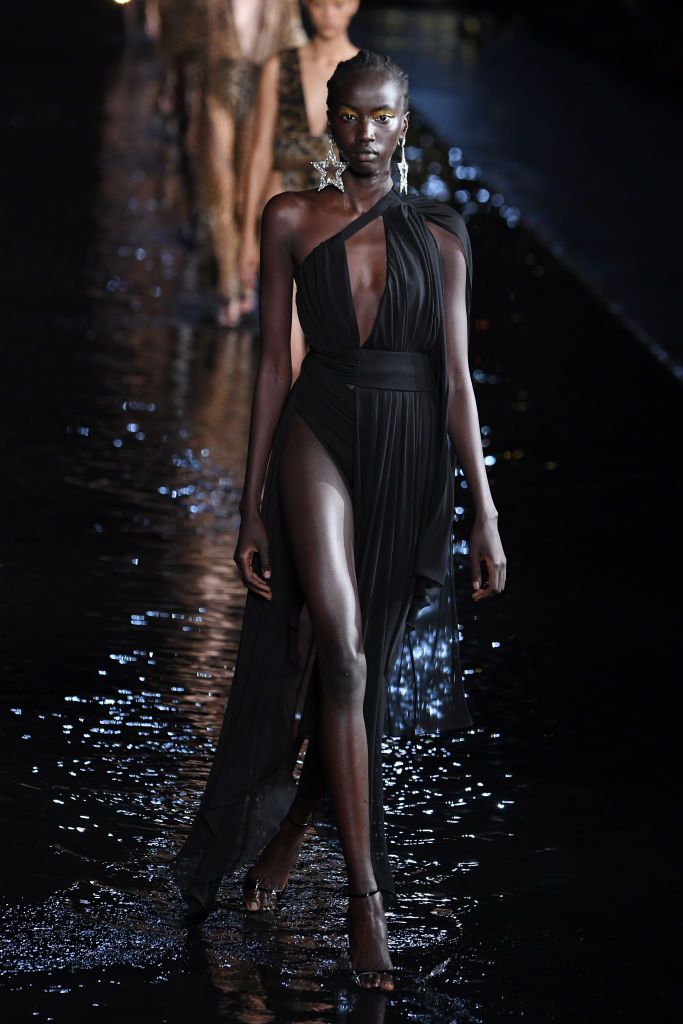
The return of physical events will bring back the culture of street fashion alongside street photography and, of course, the comeback of models and fashionistas who without a doubt will ‘fashionably’ walk the streets again. The cancellation of shows created a financial impact on creatives such as make-up artists, photographers, stylists, and freelancers who drive all the moving parts that create fashion week’s magic. Although influencers adapted by dressing up for Instagram and Tik Tok, many have expressed how it’s just not the same as taking fashion to the streets.
The creative fashion design industry in South Africa has gone digital from the beginning. Covid-19 has just made them realize the importance and power of this.
– Lucilla booyzen
Founder, South african fashion week
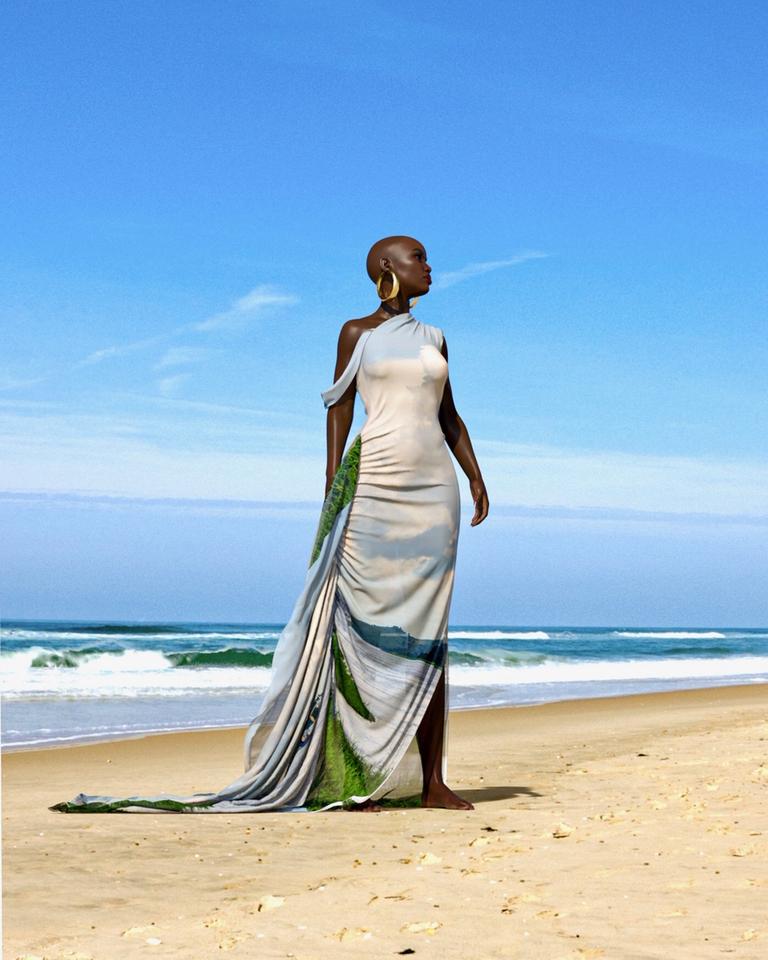
Africa’s pace toward the return of fashion week seems to be sluggish as regulations in different countries are not being uplifted due to the number of COVID-19 cases being recorded. In Africa — just like the rest of the world — the use of Instagram, Facebook, and online spaces has become crucial. One event that got social media buzzing and the fashion industry talking was Congolese designer Anifa Mvueba’s (Hanifa) debut of her latest collection on Instagram Live using 3D models. It was a turnover for African designers and a game-changer for the industry as a whole, undoubtedly proving that launching a 3D collection on social media is the future!
In reference to the progression of designers going digital in this new pandemic-conscious era, we spoke to Lucilla Booyzen, the founder of South African Fashion Week, about the readiness of South African designers going digital.
“The creative fashion design industry in South Africa has gone digital from the beginning,” Booyzen said. “COVID-19 has just made them realize the importance and power of this.” She also mentioned how SA designers are not yet ready to incorporate the use of 3D models to showcase their creations.
As we embrace the use of digital tools and technology-enabled processes to continue working amidst the pandemic, the fashion industry in Africa and across the continent are adapting to the new digital approach. African brand Tongoro is using digital marketing to venture into new territory with the launch of its Digital Magazine MADE. In efforts to shine a light on African creativity, the brand teamed up with Ghana-based agency BALM LABS, who also created a 3D fashion show for the brand.
More designers in Africa continue to explore virtual shows. Writer Ekow Barnes highlighted some of the West African designers for Vogue Business who are exploring virtual shows, writing, “The African fashion world is keen to explore virtual fashion shows, for both practical and creative purposes — and a new generation of designers is leading the way.” The digital sphere in Africa has awakened and the future looks even brighter for African creators. Although there appears to be a delay in the progress between Africa and other countries, the world seems to be adapting to the new norm of Digital Fashion Weeks. Afrofuturism, however, in Africa is still on the rise. The global reach for African designers is but a click away, creating space for designers to dive into the digital wave of fashion as the pandemic persists and digital fashion shows become a part of the new normal.
Key Takeaways
- Fash-tech empowering design houses: Designers look to innovation and curation for presentations. Combining virtual experiences with in-person events is a key tactic for replicating and broadening the impact of Fashion Week.
- Gaps in tech adoption: While many have pivoted to a digital-first model, some designers are slow to incorporate technology into their strategies. Reports from South Africa indicates some brands are still figuring out how to leverage digital tools in ways that make sense for designers and their customers.
- Creativity fueled marketing: Brands are experimenting with creativity outside of presentations. From magazine-style lookbooks to agency partnerships, creative marketing solutions open new opportunities for online audience engagement and customer acquisition.