
Words: Rashida Grant | Photography: Wade Rhoden | Creative Dr. Fidge Fletcher |Hair: Sammoy Duncan | MUA: Loni Jones This interview was conducted in 2018. Certain details, such as artist’s age, may be outdated at time of publishing. Content has been edited for clarity.
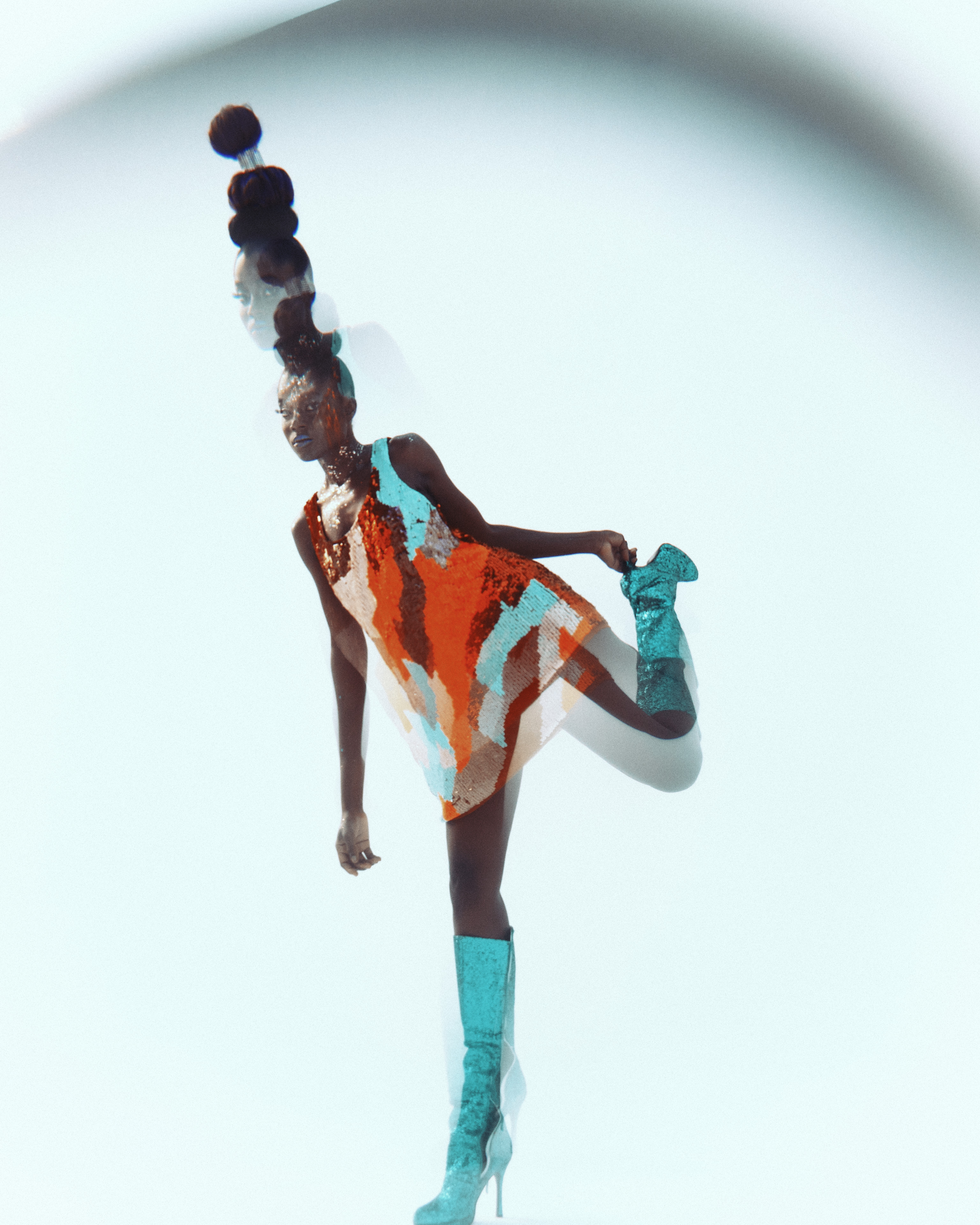
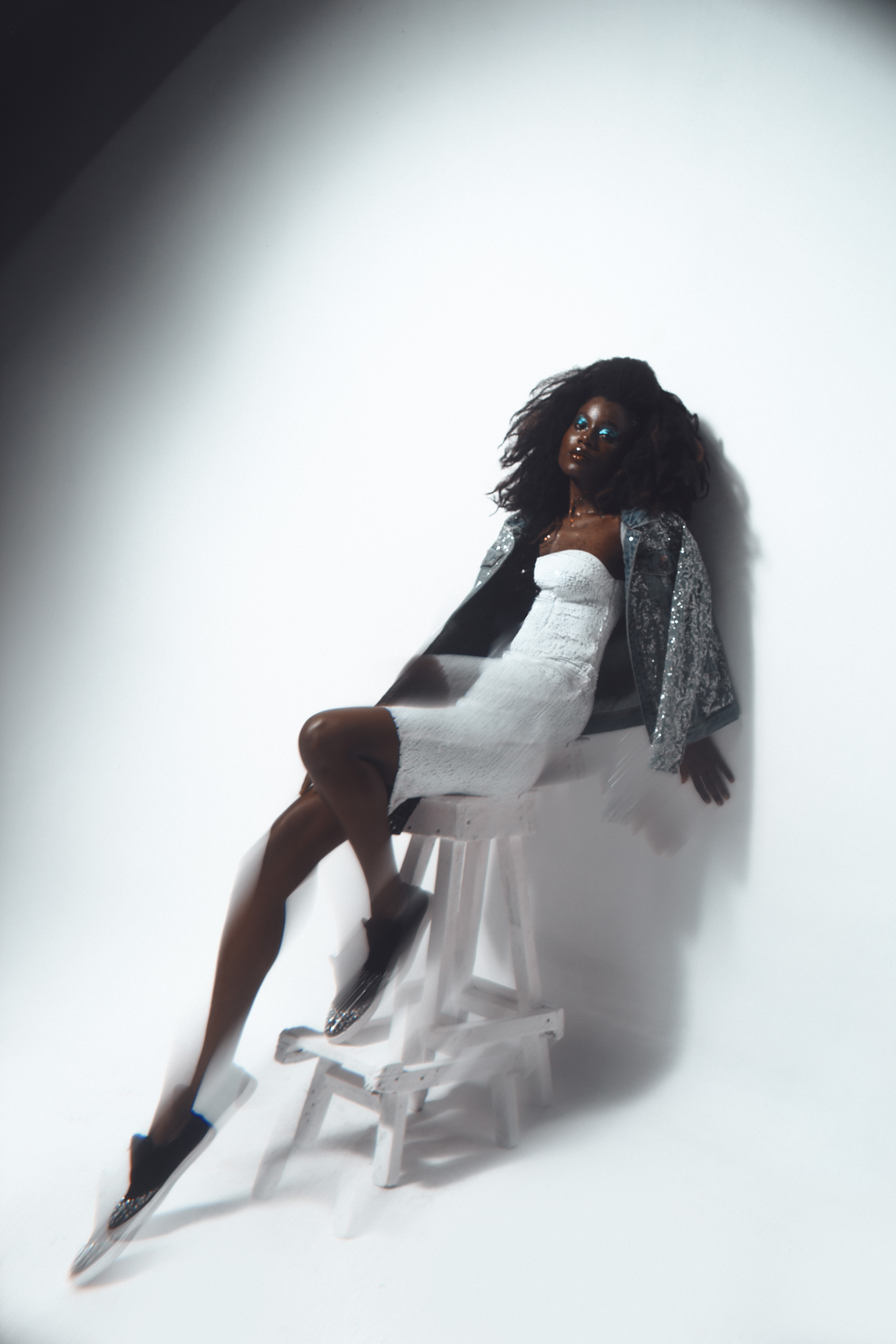
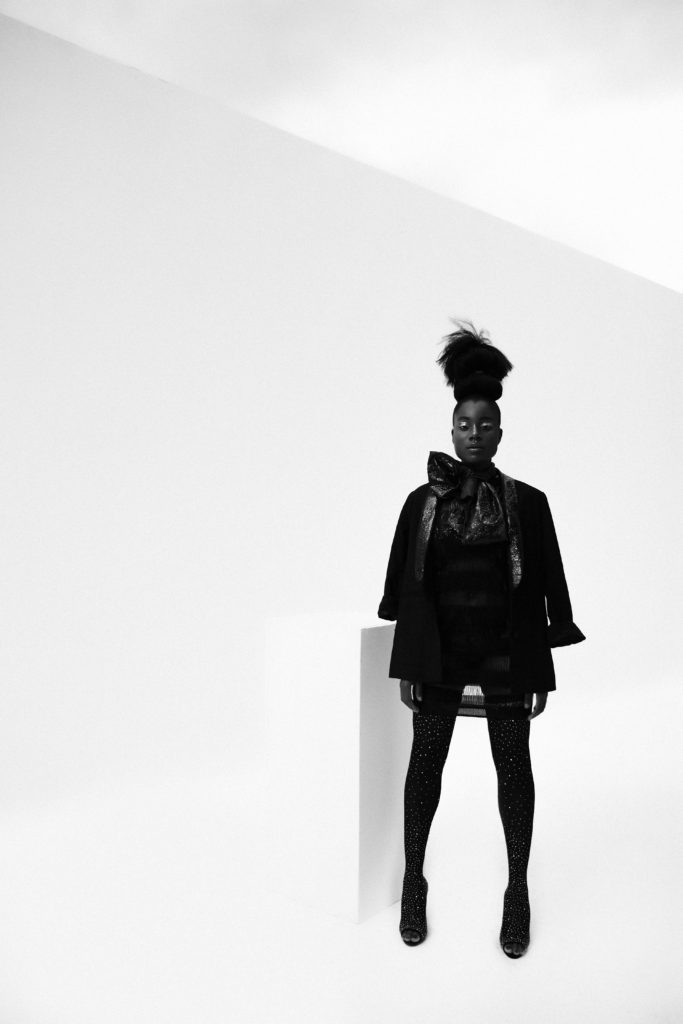
Sevana is the 26-year-old reggae-soul singer with a conscious slant Atlantans need to know. The Jamaican songstress has attracted international attention with her contemporary spin on such a classic genre. While managed by the same collective as reggae notable Protoje, Sevana’s star-power is still relatively untapped. Last summer, Quaint Revolt contributor Rashida Grant sat in on a studio session with the budding star for an intimate conversation. Thanks to Wade Rhoden for contributing this dazzling editorial, in which each image directs our focus where it belongs: on Sevana Siren.
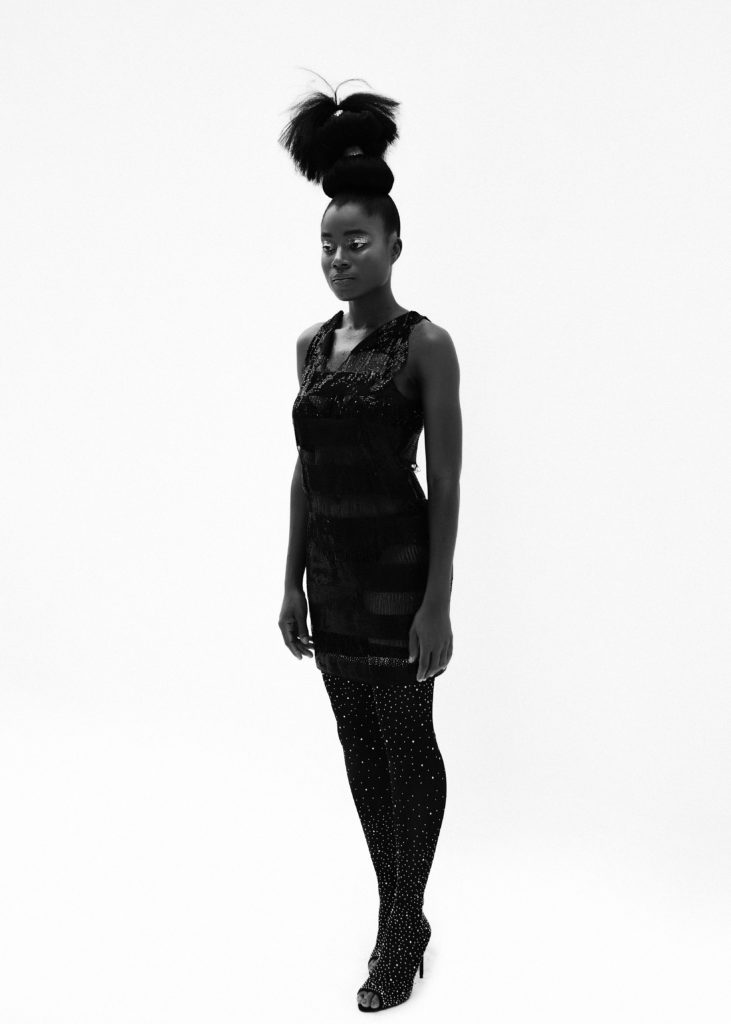
Quaint Revolt: Tell us a little about yourself, who is Sevana?
Sevana: Who is Sevana? Well, I sing and I write and I try as hard as I can to make it come from a real place, you know? Real feelings or truth[s] that I’ve come to understand and more recently obedience, from a place of obedience as well. So, yeah that’s who I am. Yeah, just here to create and do my best with what God’s given me.
QR: You’re from Westmoreland right? Where in Westmoreland?
S: Yup. Savanna-la-Mar.
QR: How did you decide that music was the path for you?
S: After going through a really low time in my life where I wasn’t sure what I wanted to do – this is after I finished this national competition and I had a job and everything – I kinda just took the time, well actually it was in that time of not feeling so great about myself and not really having any direction, where it dawned on me that music was the only real thing that brought me back to being grounded. And much more than that, it always served as therapy for me and then it was the thing that I was really good at doing, just naturally. So at the time I wasn’t sure if I wanted to go to university and I was applying to all these places but I did not feel like I wanted to do it. So I pulled back completely and I kinda sat with the idea, mulled it over, mulled it over, until it really settled in me, within my spirit to be like, you know what, music is the thing I’m gonna do. Because why else would I be able to do this thing and do it so decent, you know, with some amount of skill if it wasn’t supposed to be part of my purpose. So, that’s how it started and just over time being convicted about it being even more my purpose, cause there are different levels of settling into your purpose and at this point, it’s immovable for me.
QR: Well, I was going to ask if you love what you do but I can tell.
S: Yeah, I love it! It’s one of the reasons I was created and I feel like I’ve said this before but your gifts indicate your purpose. Whether it is that you’re very good at talking to people or people want to share a lot with you or you’re very good at dancing or you’re very good at writing, that’s a strong indicator cause each of us have different strengths. So, that’s an indicator as to where you should go and operate and that is where you’ll actually have the most joy and it won’t feel as much like work.
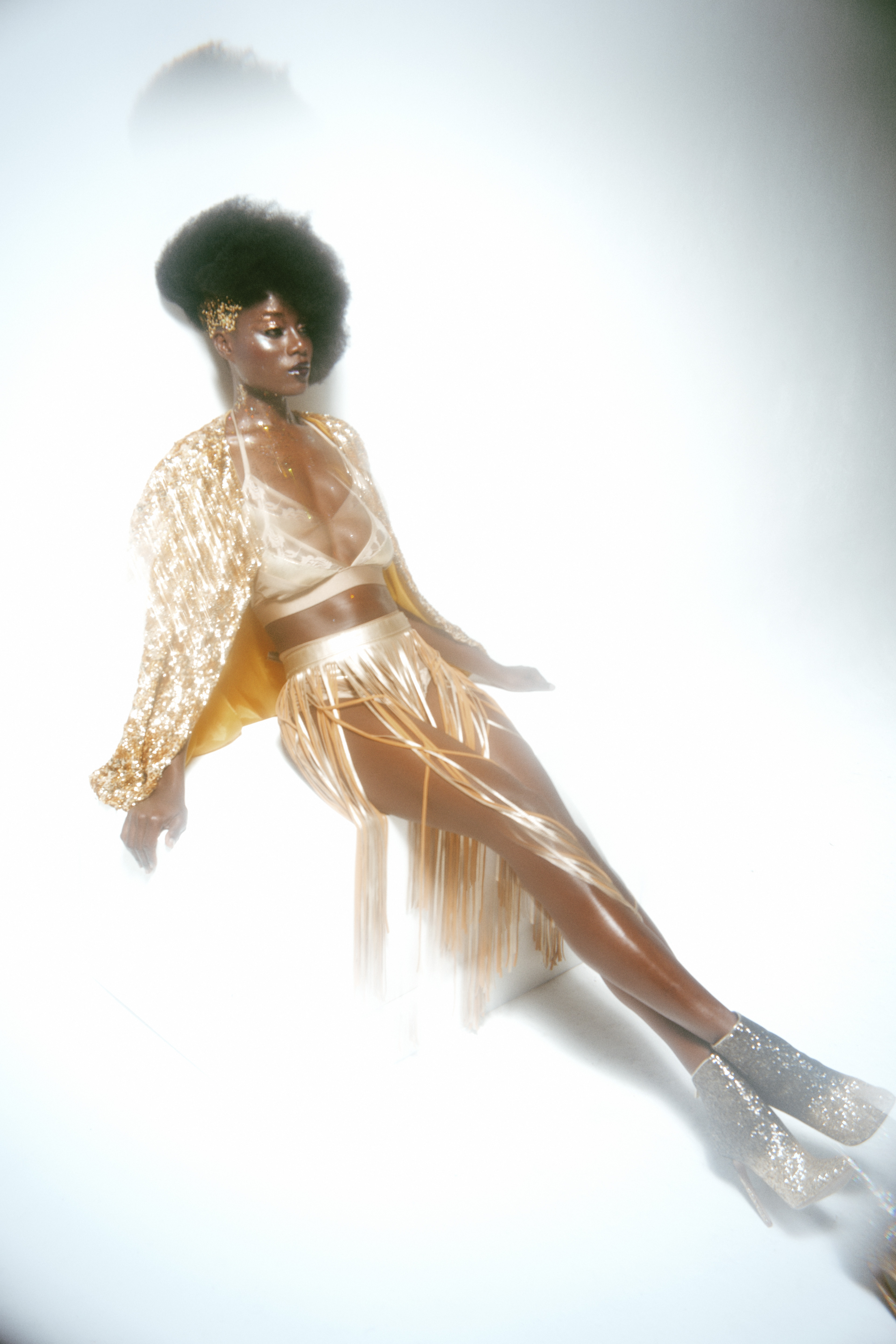
QR: How has the journey been so far?
S: Oh my goodness! Hard, good, I’ve become a lot more brave and confident because of it. I’ve had times where I broke down because I didn’t understand what direction to take things in, in terms of within my purpose and what songs I should have. There are times too when different opportunities come up and then they fail and you’re like oh my goodness. It’s been tumultuous, but in the best way.
QR: I love your style, does fashion interest you?
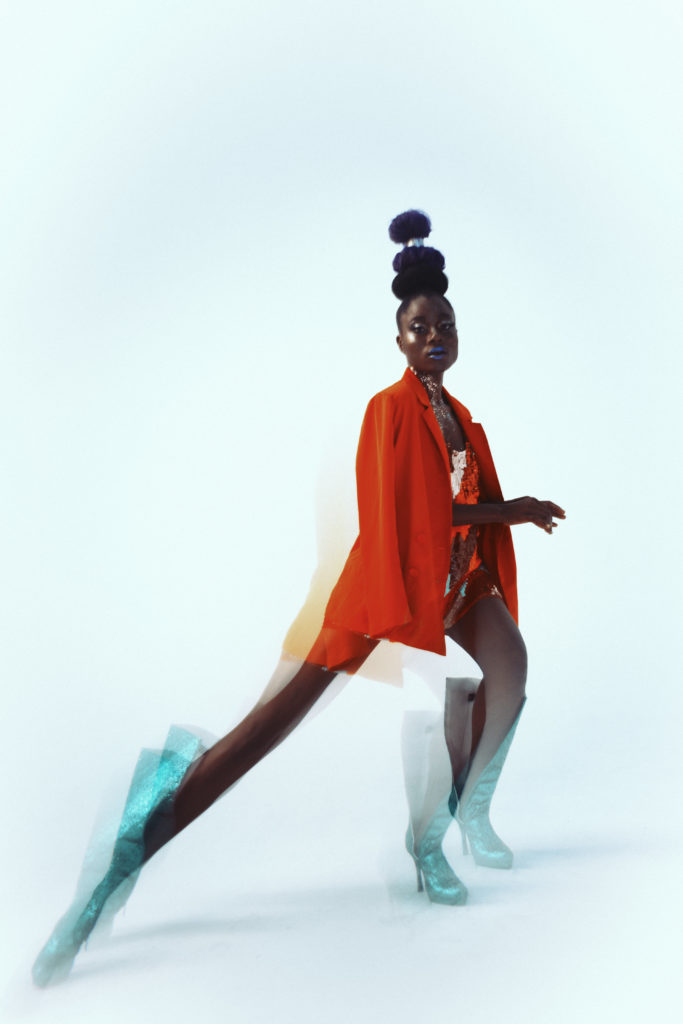
S: Thank you! I’m really into fashion, I love editorial things and I like editorial makeup a lot, which is why you’ll just see me with one eye shadow. I’m trying to find better eyeshadow still. But I really love editorial stuff, but also things that aren’t necessarily acceptable but still interesting. It’s not shocking, [be]cause I’m not ever going for shocking, it has to be something that I’m comfortable with portraying myself being in. But I like to go for interesting, and interesting for me might be a poofy dress with like, I dunno, it depends! Interesting for me depends on the day and what kind of vibe I’m really trying to sell with my outfit.
QR: What is the deciding factor for you when picking an outfit for a show or event?
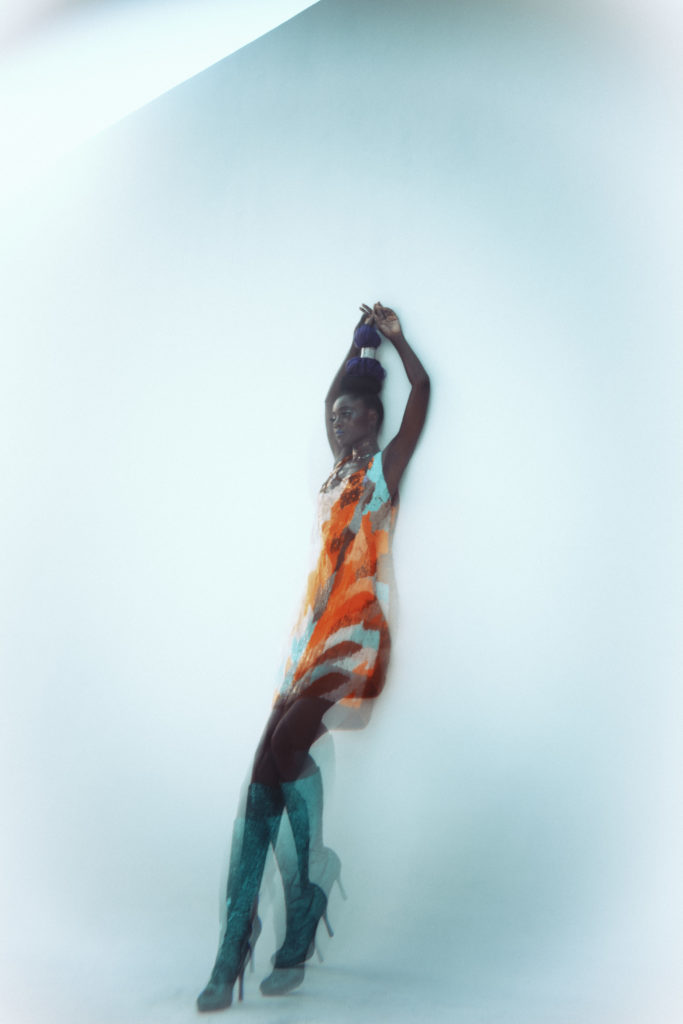
S: Whenever I’m going to do a tour, I like to plan out my outfits in advance, and usually what helps to decide those outfits is really my mood for the year. For example, this year my theme is Lupita [Nyong’o] and so I’m trying to be as graceful and classy and timeless as I can be in my outfits. I don’t feel like I’ve nailed it yet, but I guess closer to mid-year when I make all the things that I want to make, it will really come to fruition. For example, for the Justice music video where it was really stately, and queenly, to kind of command that reverence – that’s my theme for this year. So, when I’m picking the clothes, even though I didn’t really stick to it that well for this past tour, but that’s what’s in mind. And I love to play with different hairstyles. I love black hairstyles, obviously my hair is natural so I play with that as well.
QR: Name one thing you can’t leave home without.
S: I guess my phone. Apart from my phone, I would say my bank card because I never have cash. It’s a practice for me.
QR: As a woman in the music industry, is there any pressure for you to dress a certain way?
S: No! Absolutely not. If there was pressure, I don’t see it and I don’t feel it. Just because it’s so far from what I care about, so even if there was pressure, for people to be there like, ‘Oh, she needs to put on more clothes or she needs to put on less clothes, she needs to be more this or she needs to be less that. It’s literally so far, it’s not within my periphery to even recognise it. So, now I don’t feel any pressure at all.
QR: Have you faced any mistreatment or discrimination because of the colour of your skin?
S: All the time. From I was a little girl up till now.
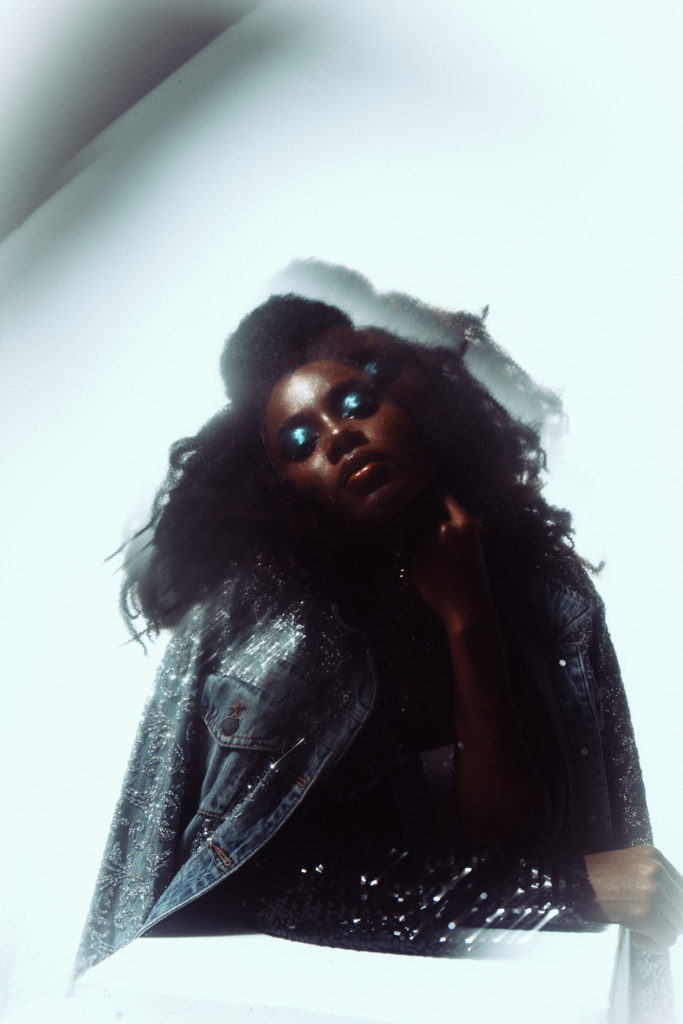
There was a lot of, “Oh ugly black gyal,” when I was younger. Just because when people see dark skin they associate it with ugly and it’s something that is being challenged now, so people are definitely coming out of that mindset but you still have a lot of it. Of my friends I’m usually the darkest. I’ve been in my friend’s company, a light-skinned person, and their friend would be like, “Oh look pon her and look pon you and oh, you know we don’t accept people who are your skin tone in the house.” It’s different things, and this is in Jamaica. I grew up with even family members say, “Oh you so pretty but if you were a little bit lighter,” or just family members thinking that because you’re the darker one, you’re not as good looking. Or just boys saying really disgusting things to just cut you down.
But I do remember, thank God for Miss Roman, one of [the teachers] from Mannings. I was with her for extra lessons one day after school and she was just like, ‘You’re a beautiful girl.’ I was like ‘Oh,’ because it was the first time I’d ever heard it and it sounded like the person believed what they were saying. She was like ‘well, why don’t you say thank you? Is it that you think you’re not beautiful because you’re dark skinned?’ She went on this whole spiel about how, it’s really unfortunate how blackness is associated with darkness and death and negativity when it really isn’t. [How] you should be aware that you must celebrate yourself and celebrate the skin that you were given. That was a huge turning point for me, because being on the darker end of the spectrum, I kind of put away my appearance, like how I wanted to look, totally. So, now I can talk about, ‘oh I want to put on that and I want to put on this and I’m, gonna have this vibe’. It was something when I was growing up I put away totally and it was absolutely not my focus.

I was more focused on people having an issue with how I look, then I must try to be as smart as I can be. So from a very young age I recognised that people respected that, just because I didn’t like the whole undertone and backhanded compliments and just general disrespect because of how I looked. I was like alright, well, so they’re gonna call me that, so when I speak they’re going to have to listen to me and have respect for me. So I practised from when I was really young to be able to just speak properly. I recognised that people paid attention to that and just do really well in my classes and grades. At least I could put value in that, because I didn’t ever think that my value was in my looks. Explaining to people [that] “You look good for a black girl,” is just as saying that the default is we’re all ugly and unattractive. I’m not sure if that’s explained enough but again I feel like that is a narrative that’s being pushed now, and I’m grateful for the progress.
QR: What inspired your song, “Justice”?
S: I’ve been trying to write a song about Earth and what we’re doing to [it] for years, but “Justice” was the one that simmered down to the consistency that I liked. It was inspired just by observing what was going on and how people were treating each other, the segregation that exists and how earth is responding. If I treat you with hate and disregard then that’s how I’m going to treat all of what I interact with, so it does bleed over into everything. The lack of unity, there’s also a total disregard of where you dispose of your garbage, how long you bathe for. There’s a lot of mindlessness, the people aren’t really aware of what they’re doing and how. The air is being poisoned, the water is being poisoned and we’re still going on and we’re still doing the same things and we’re still consuming as much as we are, we’re still using as much electricity as we are, still using as much plastic as we are. There’s just so much, and no stopping and thinking. I have to commend JET ( Jamaica Environment Trust) for the Nuh Dutty Up Jamaica campaign. That’s a start, but it really needs to be taken more seriously.
I feel like we need to eliminate ALL plastic bags from the supermarkets. Buy your cloth bag, it’s like fifty dollars (JMD) or something ridiculous like that. Get three, get four so you can carry it to the supermarket. It’s just something as simple as that, but it would make such a difference. The garbage has actually increased, like in Montego Bay for 2018 and this is despite people saying don’t dutty up. I’m thankful to God, too; for helping me to write it cause I don’t think I would have been able to complete it as well as I did without his help.
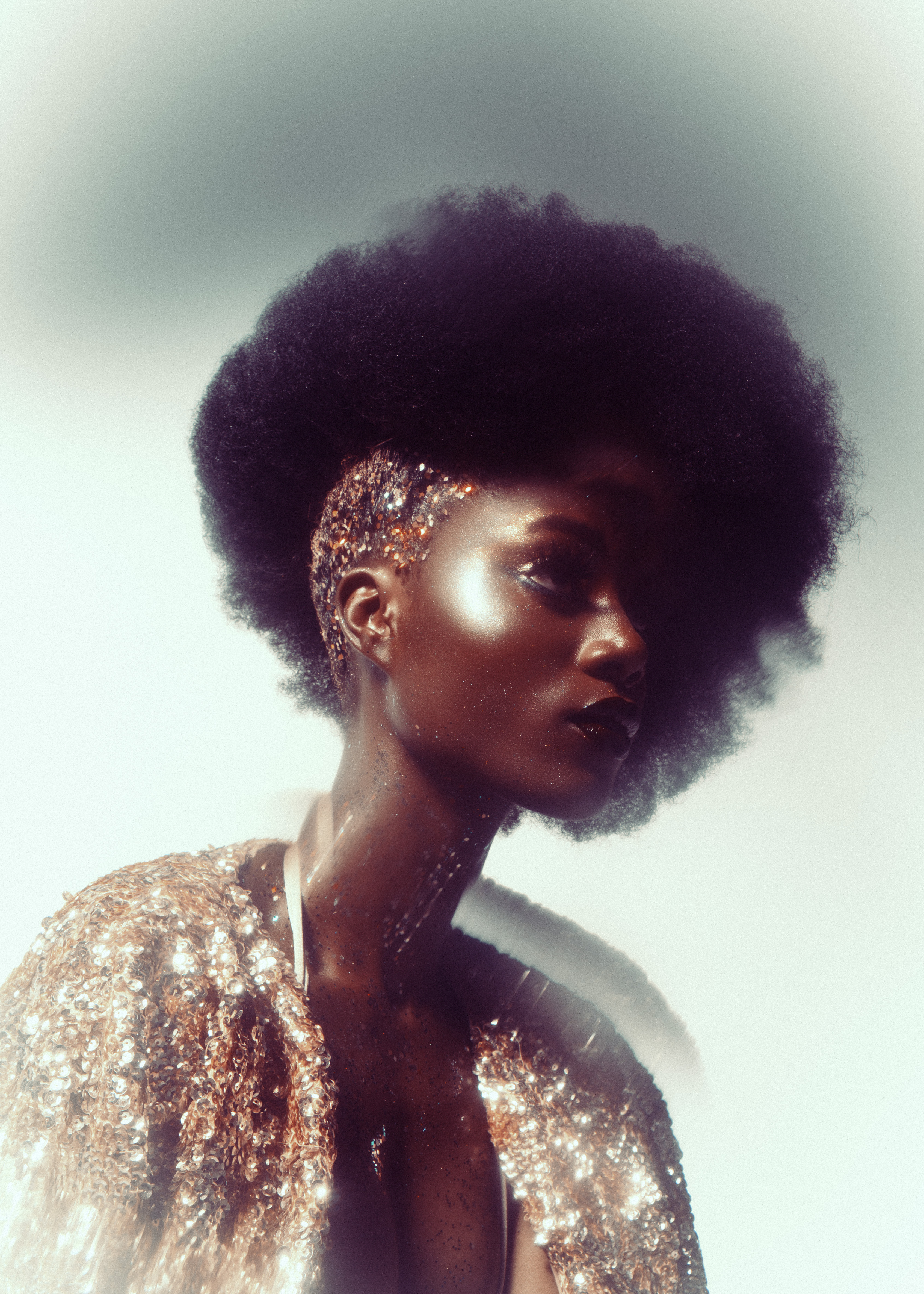
QR: The DrumKeys produced it, tell us a bit about the recording process.
S: I met up with Kongs, who is a phenomenal guitarist and he composed the actual instrumental around it. I shot a demo and sent it to Protoje and a couple other people on the team, and everyone was into it. I thought it was just an important song because of the message. We built a rhythm around it with Kongs, also Paris from Protoje’s band, and Uncle Glen on bass. Hector came in as well and sprinkled his magic over the track. So, it was serious vibes. When the rhythm was complete, I re-recorded the song and then we added harmonies using Chevaughn, and “Justice” was mixed by Greg and then send a road.
QR: Say something to your fans and to someone out there who wants to pursue a career in music.
S: I’d give the advice based off of my experience: firstly you want to make sure it is aligned with why you were created, and you really have to search yourself. It might take you through a period where you become lost but it’s absolutely necessary because you don’t want to take on something – and music isn’t easy- so, you don’t want to go into something just for the wrong reasons. And not understanding where it’s going to take you or not understanding how you want to impact. So, that’s the beginning. After you figure out if it’s something that’s aligned with your purpose, then start to write the songs that would help to carry the message that you feel very strongly about. Hopefully it’s something positive and you move from there. As far as connecting with people who you want to work with, people who inspire you, just network! Reach out to people on Instagram, on Twitter, email people, try to meet with friends of friends who might know somebody who knows somebody. There is a grind as well, because you’re not just creating music for yourself. Yes, that’s a part of it, it’s being generated within you and from you, very important; but you’re also creating music so that other people can share in, be inspired, be moved and hopefully just start to act differently or do something more positive with themselves.
Oh and one other thing, I know they say image is everything and it is true, but not necessarily in the sense that you have to be super fashionable and stylish. Don’t think about image in terms of just looks. It also deals with feel. There are many ways to approach the part of an artiste that people would celebrate. So, the look and the language and the feel, there are many things you can do with that. Figure out how you want to be received, represented as much as you can.