
All over the world, spaces with concentrated levels of culture and history still suffering the effects from colonization and present-day social turmoil will lay ground plans as to how said space can be one that survives in a new era. This is the question “The Other Side of Now: Foresight in Contemporary Caribbean Art” – showing at the Perez Art Museum in Miami – aims to answer. We constantly hear about the Caribbean’s past involving colonialism, financial upheavals, and global struggles but the 14 Caribbean artists commissioned for this exhibit used their personal and collective memories to map what a Caribbean future might look like, and skillfully so.
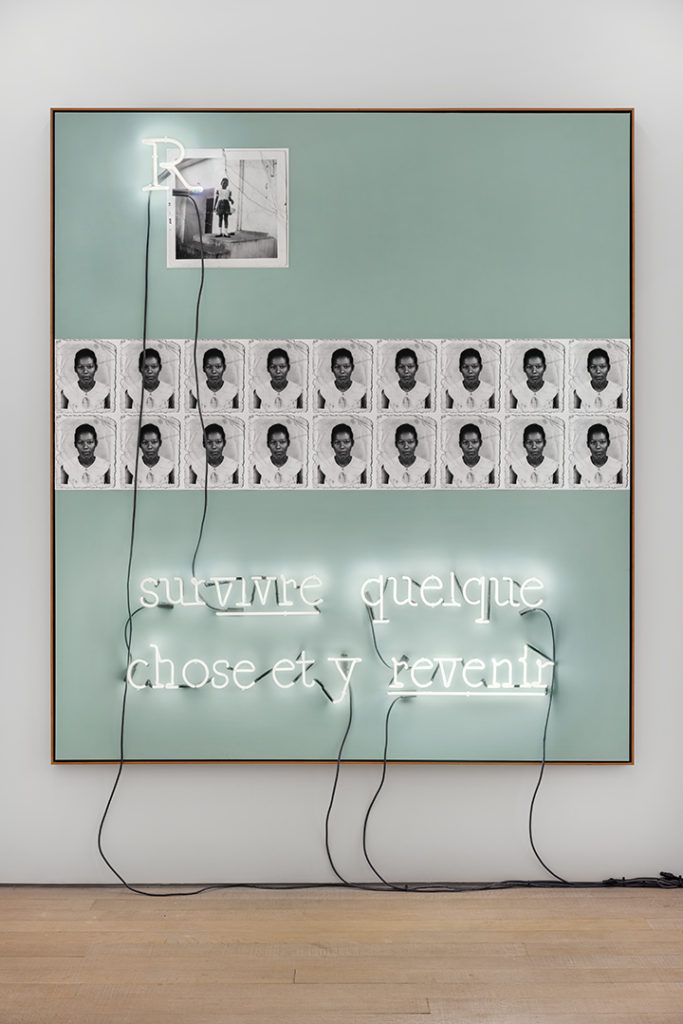
Upon entering the exhibit, the first thing you’ll see is Jamilah Sabur’s French-titled piece which translates to “survive something and come back.” The Jamaican-born artist, who now resides in Miami, uses a light-filled canvas with black and white childhood photos to juxtapose antiquity with the modern, and home with abroad. The Caribbean has always been a place subject to flight: many of its citizens often migrate to other countries. Still, those people rarely forget their country and carry with them mental and physical manifestations of their heritage that is affirmed by a recognized intention of returning to said homeland. It is a powerful way to open the exhibit affirming the present realities of the many Jamaicans and the wider Caribbean diaspora living abroad.
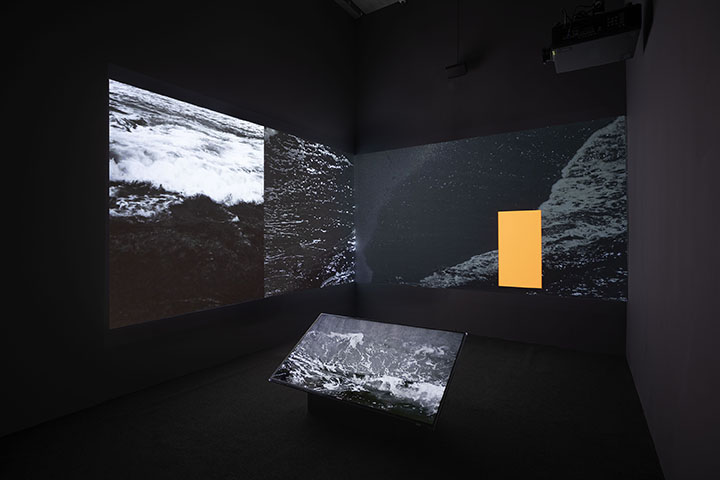
The Other Side of Now: Foresight in Contemporary Caribbean Art, Pérez Art Museum Miami, 2019–20. Photo: Oriol T arridas 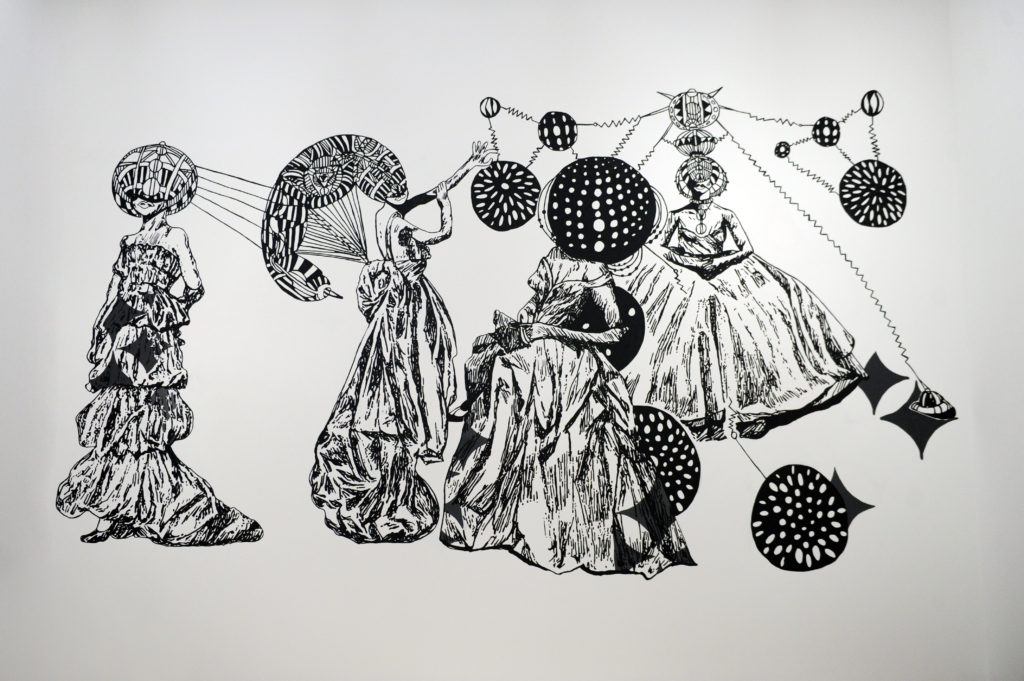
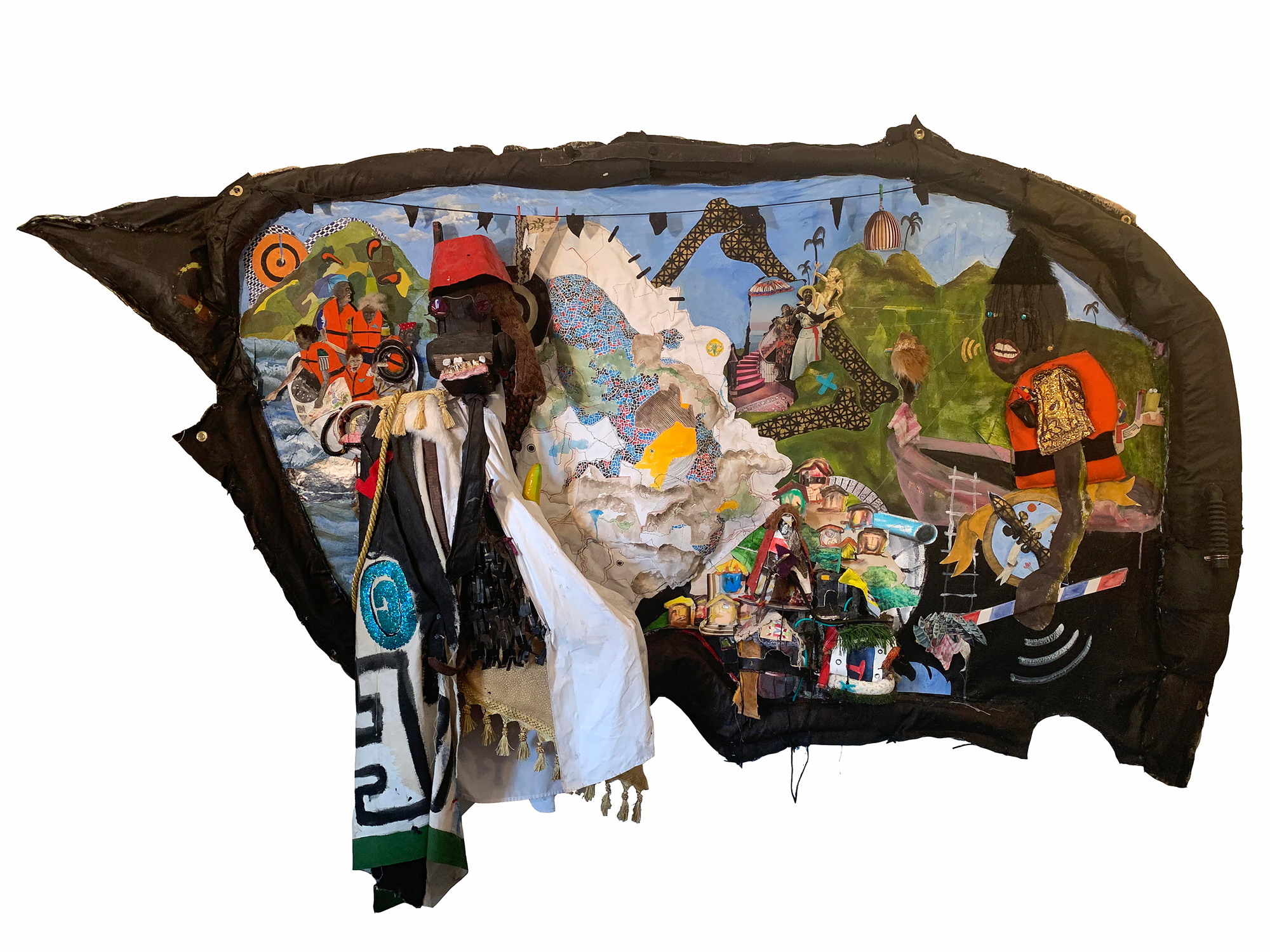
Sheena Rose. Cognitive, 2019. Acrylic on drywall. 120 x 238 inches. Courtesy the artist. Photo: Worldredeye.com
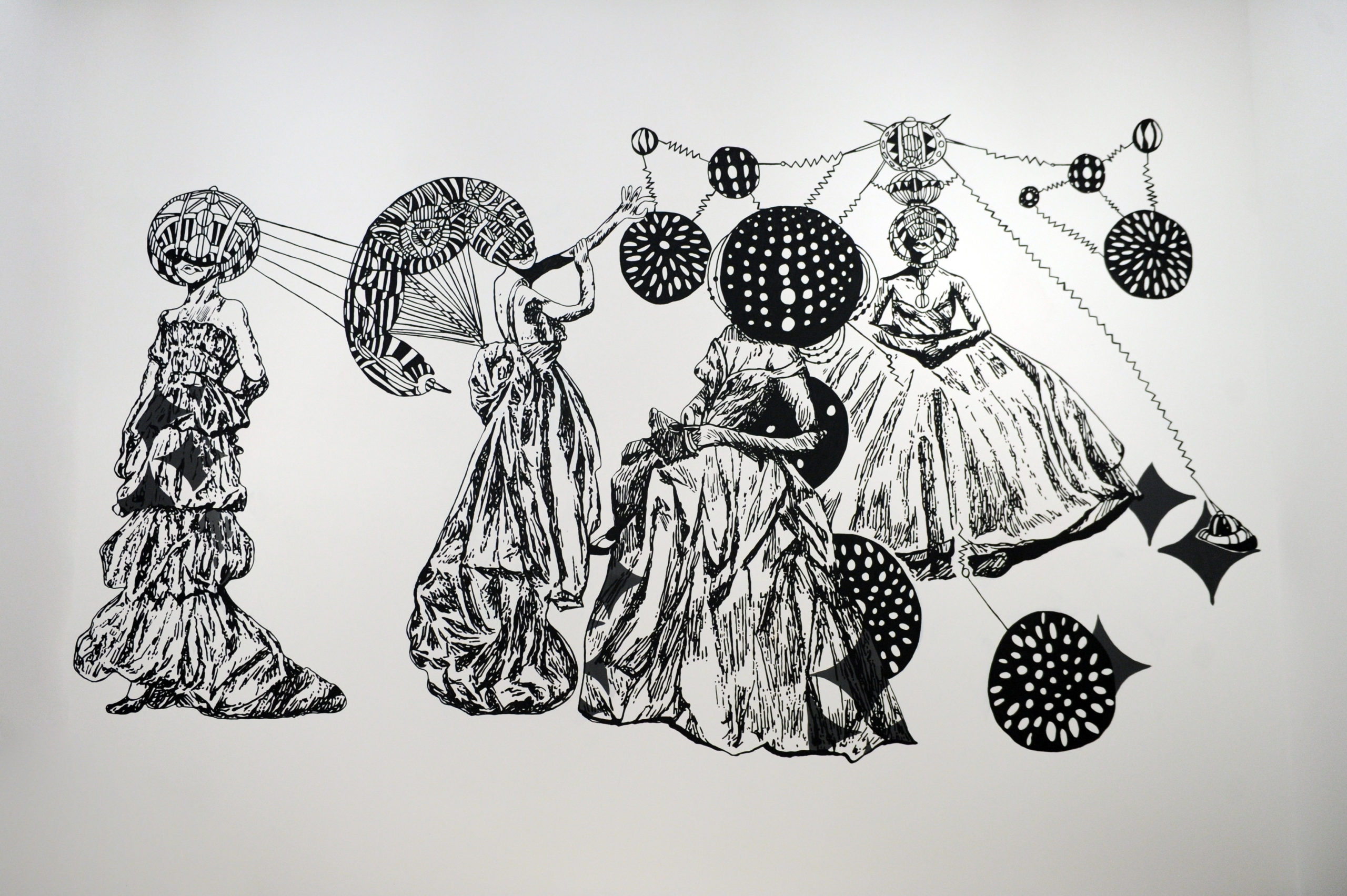
For the Caribbean to truly envision and create a space for itself in the future, the focus has to be the core of the community: its people and culture. Leaning on ancestral traditions and familial memories was a common motif throughout the exhibit, especially seen in Lavar Munroe’s piece Rehearsal for Reconstruction.
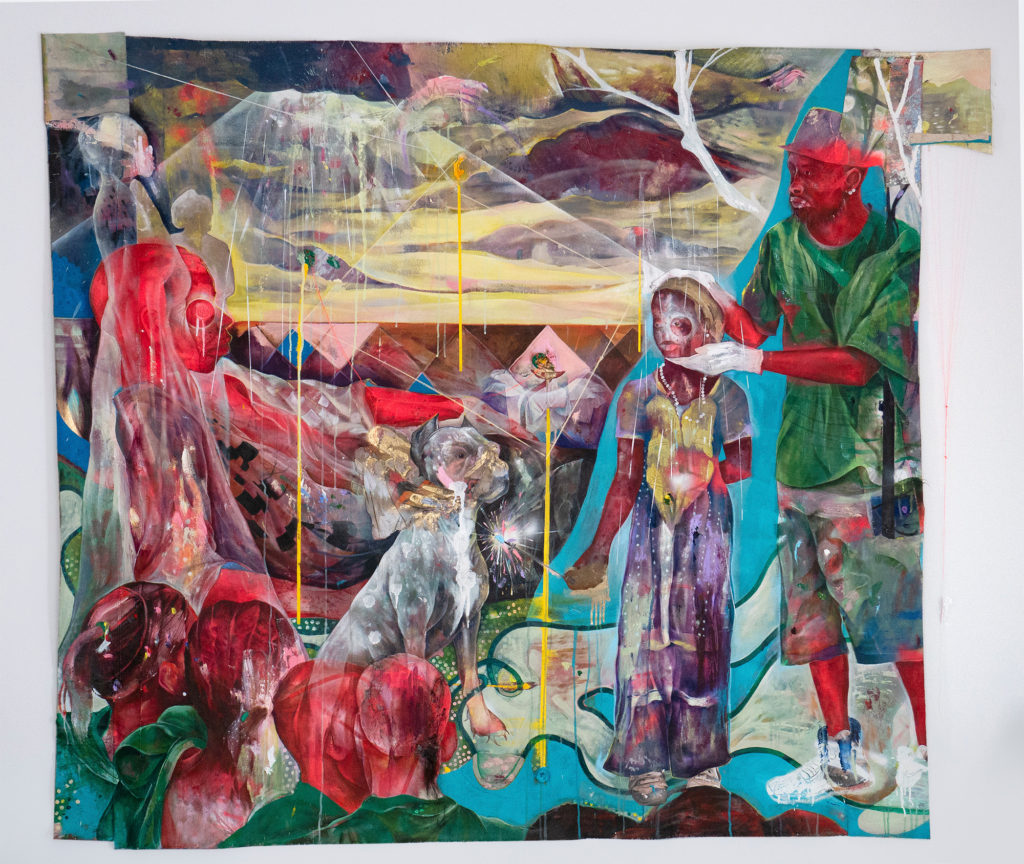
A frightening reality for the Caribbean is how severely climate change is impacting its future. The Caribbean’s geographical makeup puts them at high risk of loss of coral life, hurricanes, flooding, and other natural disasters. Though modern times have shown that cultures don’t need a particular location to thrive, the Caribbean won’t be the same if the epicenter of their existence is washed away. Reconstructing and rebuilding will be a key theme as seen in Louisa Marajo’s work Echafaudage (Scaffold). The installation, which resembles the aftermath of a hurricane, uses elements retrieved from construction sites around Miami and shows how destruction can lead to creation.

For the Caribbean to truly envision and create a space for itself in the future, the focus has to be the core of the community: its people and culture. Leaning on ancestral traditions and familial memories was a common motif throughout the exhibit, especially seen in Lavar Munroe’s piece Rehearsal for Reconstruction. The Bahamian’s piece is an actual trip from the past to the future, where he observes family members that have passed and reflect on all his life’s obstacles. It’s the journey–the nostalgia, the struggle, the triumph– that motivates him to go on. There is an introspection of self within all the pieces but none of them quite has the viscerality of Hulda Guzman’s Be Kind to Your Demons series. Narratives around the Caribbean are often community-focused or intersecting a larger communal theme but it’s refreshing to see one recognize that the struggle within one’s self is a reflection of the struggle within the diaspora.
What this exhibit has articulated so well is that the Caribbean’s past and present is its future. In order to look ahead, we have to constantly reflect on the then and now. In the ideal Caribbean future, its people aren’t plagued by their troubles but rather heroes in their own story.
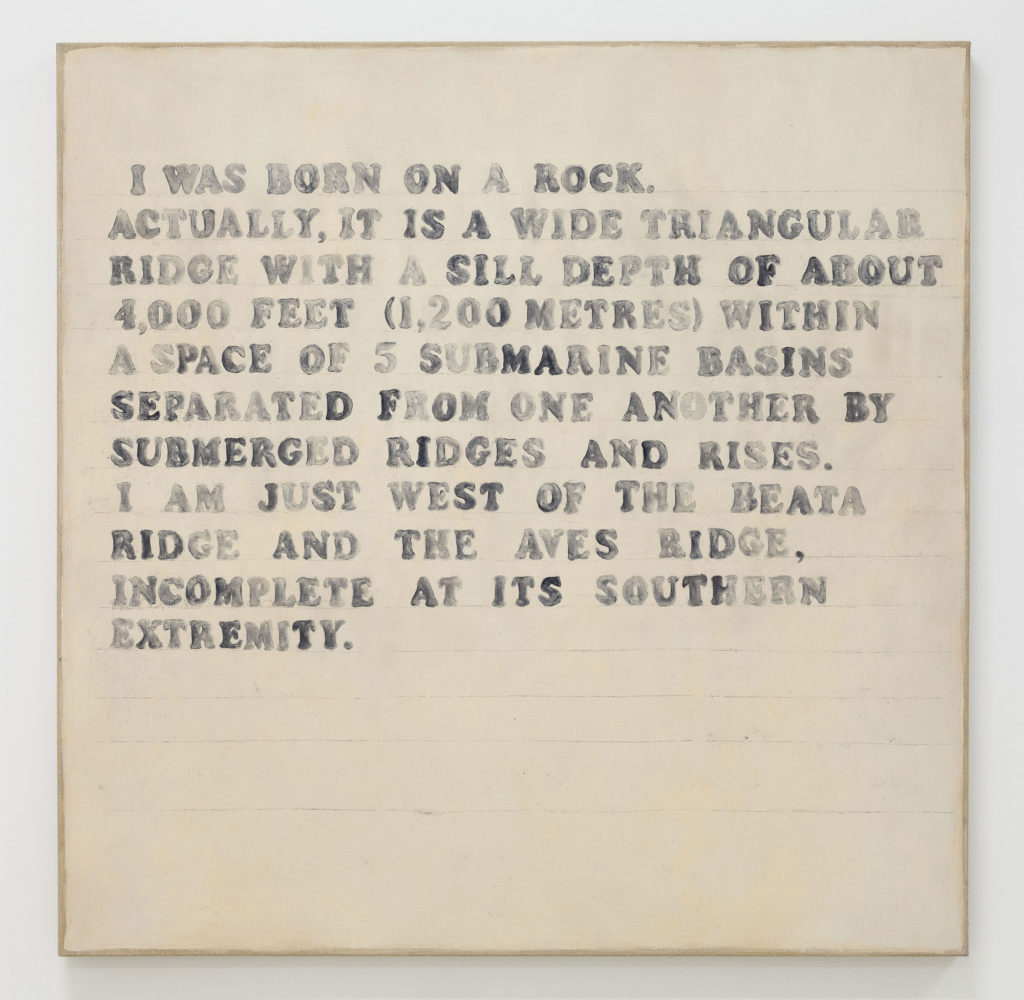
Jamilah Sabur. This Is Where I Was Born, 2018. Oil and graphite on linen. 40 x 40 inches. Collection of Rick Crooks.